
There’s something uniquely rewarding about traveling alone to visit Masonic sites. No compromises on the itinerary. No waiting for someone who isn’t as fascinated by a 19th-century cornerstone as you are.
No rushing through a lodge museum because your travel companion is ready for lunch. Just you, the open road, and the freedom to explore Masonic history at your own pace.
But solo travel, especially with the specific goal of visiting lodges and Masonic sites, comes with its own challenges. How do you visit an active lodge when you don’t know anyone? What do you do when you’re the only visitor at a remote Masonic cemetery? How do you make the most of the experience when there’s no one to share it with in the moment?
I’ve spent years traveling solo to Masonic destinations across North America and Europe.
I’ve sat alone in lodge museums, driven hours to see small-town Masonic halls, and shown up unannounced at lodges hoping for a warm welcome. Some experiences exceeded my expectations.
Others taught me valuable lessons the hard way. Here’s what I’ve learned about making solo Masonic travel not just manageable, but genuinely fulfilling.
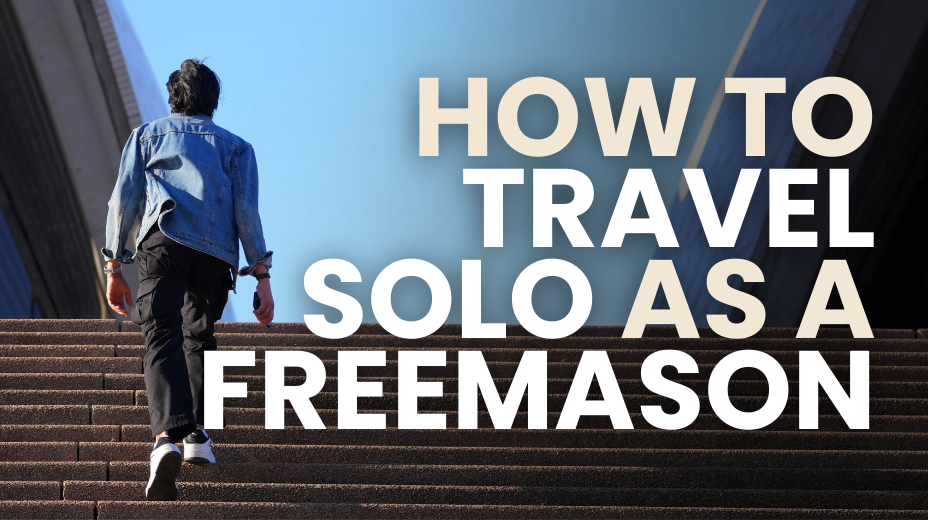
The Unique Advantages of Traveling Alone
Before diving into the challenges, let’s acknowledge what makes solo Masonic travel special. When you’re alone, you control every aspect of the journey.
Want to spend three hours examining the architectural details of a Masonic temple? Go ahead. Feel like detouring 50 miles to see a rural lodge that might not even be open? Your call.
There’s no negotiating, no guilt about dragging someone to yet another Masonic site, no apologizing for your interests.
Solo travel also forces you to engage more deeply with the places you visit and the people you meet. When you have a travel companion, it’s easy to stay in your bubble, talking to each other instead of connecting with locals or other visitors. Alone, you’re more approachable and more likely to strike up conversations that lead to unexpected discoveries.
I’ve had some of my most meaningful Masonic encounters while traveling solo.
A Past Master in a small Virginia town spent an entire afternoon showing me his lodge’s archives because I was genuinely interested and he had time to share.
A curator at a Masonic library opened storage areas not normally accessible to visitors because I asked thoughtful questions and wasn’t rushing anyone. These moments happen more easily when you’re alone and open to whatever unfolds.
Before You Leave: Essential Preparation
The key to successful solo Masonic travel is preparation. When you’re alone, you can’t rely on a travel partner who remembered to bring the lodge secretary’s phone number or who knows how to read a map. It’s all on you.
Document Your Masonic Credentials
Carry multiple forms of Masonic identification. Your current dues card is essential, but also bring a letter of introduction from your home lodge on official letterhead, signed by your Worshipful Master and Secretary. Some lodges, particularly those that have dealt with clandestine visitors, require more than just a dues card.
Take photos of these documents and email them to yourself. If you lose your wallet, you’ll still have digital copies. Some Brothers carry laminated copies of their dues card as backup. It sounds excessive until you’re standing outside a lodge you drove six hours to visit and realize your wallet is back at the hotel.
Research Your Destinations Thoroughly
Don’t assume any Masonic site is open to visitors. Call ahead, email, or check websites before you arrive. Many historic lodges only open for meetings or by appointment. Showing up unannounced on a Wednesday afternoon might mean finding a locked building and no one around to let you in.
When researching lodges you hope to visit for meetings, verify their schedule carefully. Many lodges meet only monthly, and some go dark during summer months. Check if they have degree work scheduled, as some lodges don’t welcome visitors during degree nights. Understanding these details prevents wasted trips and disappointment.
Plan for Backup Options
When traveling solo, always have a Plan B. If the primary lodge or site you wanted to visit is closed, what else is nearby? I maintain a spreadsheet of Masonic sites organized by region, with contact information, hours, and notes about what makes each one worth visiting. When plans fall through, I can quickly identify alternatives.
This backup planning has saved numerous trips. A closed museum in Pennsylvania led me to discover a stunning rural lodge I’d never heard of. A cancelled meeting in Ohio resulted in an impromptu tour of a Masonic cemetery that turned out to be more interesting than the original destination.
Visiting Active Lodges Solo
Attending a lodge meeting as a solitary visiting Brother requires more courage than showing up with a group from your home lodge.
You’ll walk into a room where everyone else knows each other, and you’re the stranger who needs to prove you’re a legitimate Mason.
Making First Contact
Always contact the lodge secretary at least a week before your visit. Explain who you are, what lodge you belong to, and why you’re visiting their area.
Ask if they welcome visitors at their upcoming meeting. Some lodges require advance notice to arrange for examination or simply to ensure someone will be there to greet you properly.
Be specific about your credentials and offer to provide references. Include your home lodge’s website or Grand Lodge information. The easier you make it for them to verify you’re legitimate, the more welcome you’ll be.
Arriving Early
When visiting a lodge alone, arrive 30 to 45 minutes before the stated meeting time. This gives you time to meet the officers, undergo any examination if required, and begin making connections before the room fills with Brothers greeting their friends.
Early arrival also demonstrates respect and seriousness of purpose. You’re not rushing in at the last minute but showing that you value their lodge and their time. Officers notice this and often respond with extra hospitality.
Breaking the Ice
Introduce yourself to everyone, but don’t monopolize anyone’s time before the meeting. A simple, “Good evening, Brother. I’m John from Lodge 123 in Michigan, traveling through and grateful for the opportunity to visit” works perfectly.
During the meal or social time after the meeting, that’s when deeper conversations happen. Ask about the lodge’s history, their community involvement, what challenges they face. Most Brothers love talking about their lodge with someone genuinely interested.
Your solo status often works in your favor here, as Brothers will make extra effort to ensure you don’t feel isolated.
The Gift of Gratitude
Bring something small from your home lodge to present. Challenge coins, lodge pins, or simply a letter from your Worshipful Master thanking them for hosting a traveling Brother creates goodwill.
I keep a supply of my lodge’s pins in my travel bag specifically for this purpose.
After returning home, send a thank-you note or email to the secretary, mentioning specific Brothers you met and what you appreciated about the visit. This courtesy is rare enough to be memorable, and it keeps doors open for future visits or for other Brothers from your lodge who might travel through.
Exploring Masonic Sites Alone
Visiting museums, temples, and historic sites solo requires different strategies than attending lodge meetings.
Embrace the Audio Tour
Many Masonic temples and museums offer audio tours or printed guides. When you’re alone, these become your companions, providing context and stories you might miss otherwise. Don’t skip them thinking you’ll just walk through quickly. The details they highlight often reveal the most interesting aspects of a site.
Take Your Time
The greatest luxury of solo travel is time. You can stand in front of a portrait for ten minutes, pondering the Brother’s life. You can reread every plaque, examine every artifact, photograph every architectural detail. There’s no one tapping their foot, ready to move on.
I’ve spent entire afternoons in Masonic libraries and museums, taking notes, photographing documents, and letting my mind wander through the history. This deep engagement simply isn’t possible when traveling with others who don’t share your specific interests.
Engage the Staff
Curators, docents, and volunteers at Masonic sites usually have incredible knowledge and stories that aren’t in the official tour. When you’re alone, you can strike up conversations that wouldn’t happen in a group setting.
Ask questions beyond the basic facts. How did they become involved with the site? What’s their favorite artifact and why? Are there any unusual stories about the building or collection? These conversations often lead to seeing things not normally shown to visitors or learning details that make the site come alive in new ways.
Document Everything
When you’re traveling alone, you’re your own photographer. Take far more photos than you think you need. Photograph plaques, cornerstones, architectural details, landscapes. These images become essential for processing the experience later and for sharing with Brothers back home.
I also take brief videos where I narrate what I’m seeing and why it’s interesting. These video notes capture impressions and details I’d otherwise forget. They’re not polished productions, just personal records that preserve the moment.
Safety and Practical Considerations
Solo travel requires extra attention to safety and logistics that groups can handle collectively.
Stay Connected
Let someone back home know your itinerary. Share locations of hotels, lodges you’re visiting, and expected check-in times. This isn’t paranoia but simple prudence. If something goes wrong, someone needs to know where you were supposed to be.
I use location sharing with my wife when traveling. She doesn’t monitor it constantly, but if I don’t return calls or texts as expected, she knows exactly where to send help.
Navigate Carefully
Download offline maps of areas you’re visiting. Rural Masonic sites often have spotty cell service. Having maps that work without internet prevents getting lost on back roads where gas stations are scarce and help is far away.
Budget extra time for navigation mistakes. When traveling alone, there’s no copilot reading the map or helping spot turns. Building in buffer time prevents the stress of running late to a lodge meeting or missing a museum’s closing time.
Manage Your Energy
Solo travel can be exhausting, especially for introverts. You’re constantly navigating new situations, meeting new people, staying alert and engaged. Build rest days into your itinerary. Schedule easier days between intense ones. Give yourself permission to skip something if you’re burned out.
I learned this lesson after a brutal week visiting lodges across New England. By the fifth day, I was so mentally drained that I couldn’t fully appreciate a magnificent temple I’d driven eight hours to see. Now I pace myself better, recognizing that quality matters more than quantity.
Making Connections That Last
The paradox of solo Masonic travel is that you often end up less alone than if you’d brought a companion. The Masonic network activates in powerful ways when a Brother travels solo with genuine interest in the Craft.
Collect Contact Information
Exchange contact information with Brothers you connect with. Business cards work, but so does a simple photo of their contact details in your phone. These connections often develop into lasting friendships and future opportunities.
One Brother I met during a solo visit to a lodge in Pennsylvania later connected me with his friend in Scotland when I planned a trip there. Another Brother I met in California has become a regular email correspondent, sharing historical research we’re both interested in. These relationships wouldn’t exist without solo travel opening the door.
Follow Up
Don’t let connections die after you leave. Send that thank-you email within a week. Share photos you took at their lodge. If you discover something interesting about their lodge’s history during later research, pass it along. These small touches maintain relationships and often lead to return invitations.
Join the Story
When you visit a lodge or site solo, you become part of its story. The single traveling Brother who drove six hours to see their building, who asked thoughtful questions about their history, who genuinely cared about preserving their legacy becomes memorable.
Years later, Brothers will remember and mention you. You become woven into the fabric of places you visit.
The Reward of Solitude
Solo Masonic travel ultimately teaches you something about yourself and your relationship with the Craft. Stripped of social buffers and familiar contexts, you encounter Freemasonry in its purest form:
One Brother seeking light, finding it in unexpected places, connecting with other seekers along the way.
The quiet moments matter as much as the social ones. Standing alone in a Masonic cemetery at sunset. Sitting in an empty lodge room, imagining the thousands of meetings held there. Walking through a historic temple with only your thoughts for company. These solitary experiences create space for reflection impossible in group settings.
You also learn that you’re never truly alone. Every lodge you visit, every Brother you meet, every Masonic site you explore connects you to the worldwide chain of fellowship.
Even traveling solo, you’re constantly encountering Brothers who share your values and interests.
The Masonic network spans the globe, and it activates most powerfully when you venture out alone, open to whatever connections form.
So if you’ve been hesitating to take that solo Masonic trip, stop waiting for the perfect travel companion. Pack your dues card, map your route, and go.
The lodges, temples, and Brothers you’ll encounter are waiting. And the Brother you’ll discover along the way, the one who can navigate alone but finds connection everywhere, that Brother is worth meeting too.
We also make a conscious effort to keep the site ad-free, so the experience stays focused and uncluttered.
If you’d like to help keep the project going, your support is genuinely appreciated.